Nearby places
All places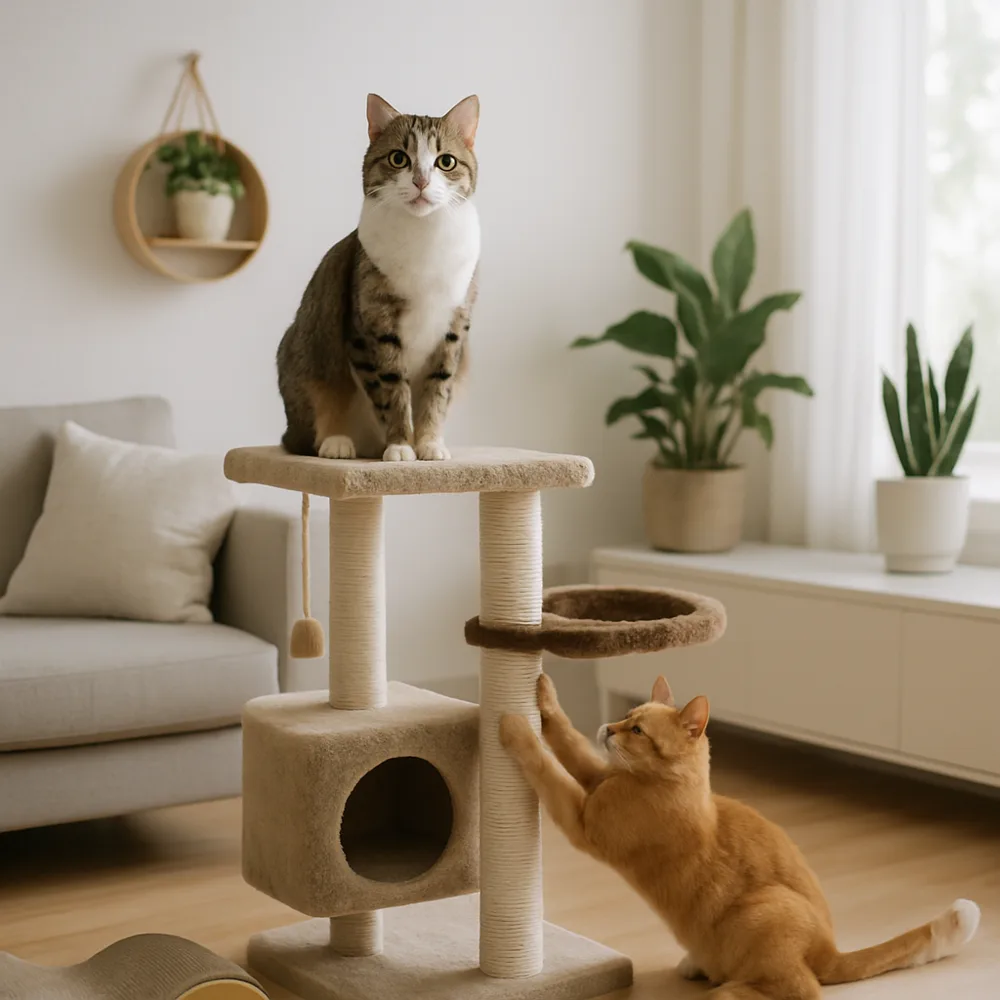
Nearby
A Better Cat Tree
Explore size, stability, materials, and
Nearby
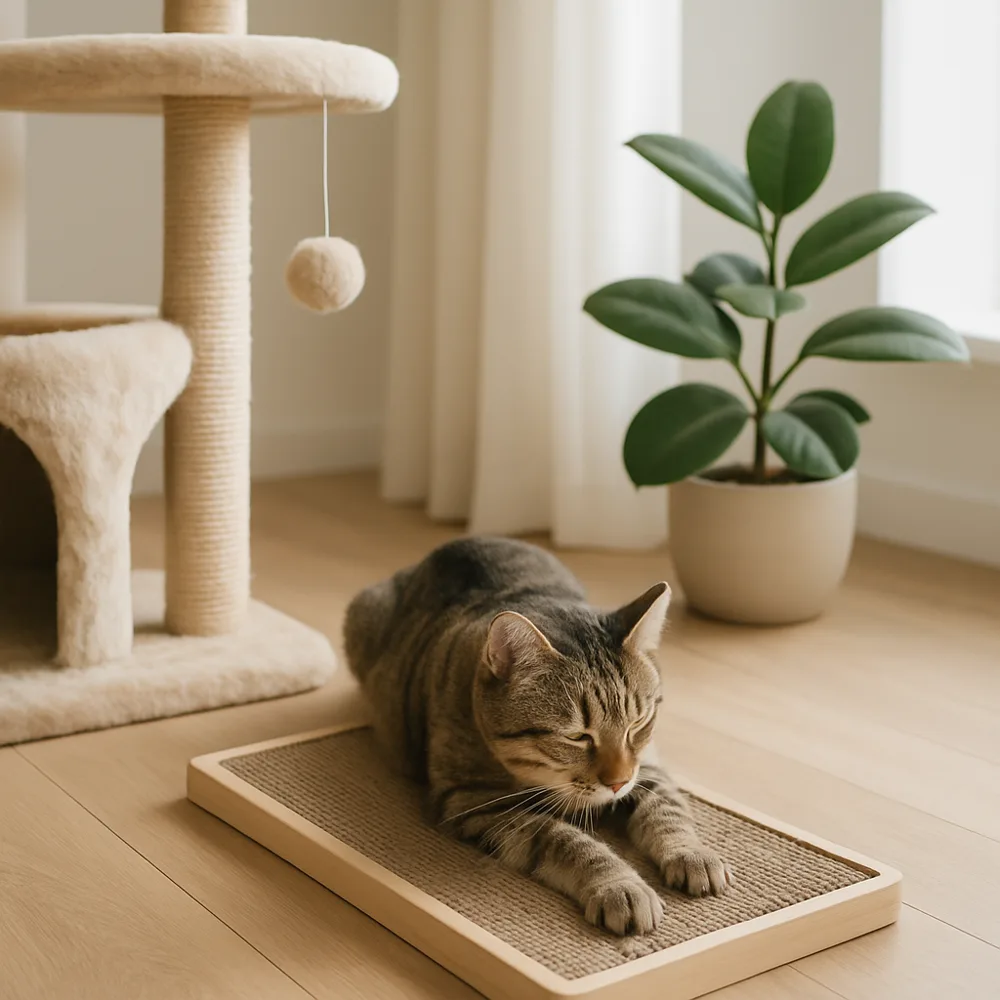
Scratching Made Simple
Understand scratching preferences and bu
Nearby
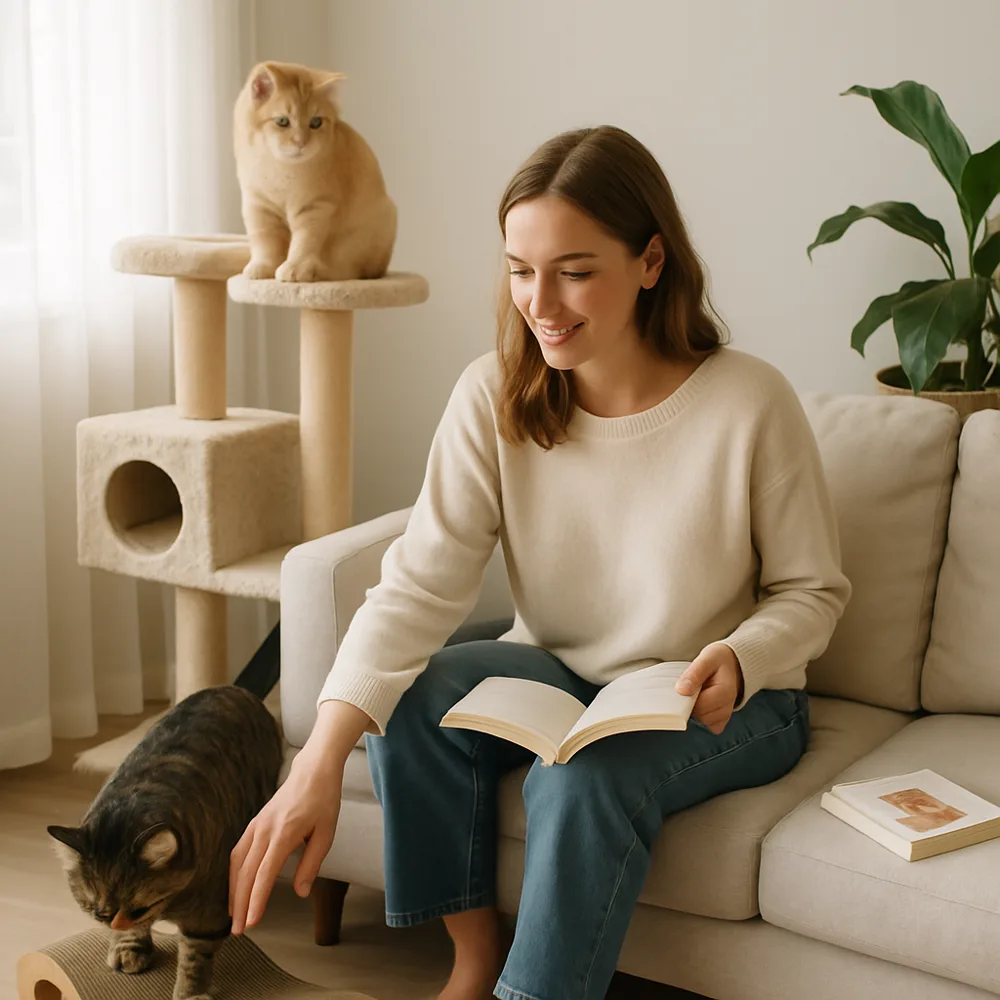
Happier Indoor Cats
Find thoughtful ways to encourage play,
Latest
October 2026
September 2026
- Sisal or Carpet: Choosing a Scratching Surface
- How to Choose a Scratching Post Height
- Where to Place a Cat Scratcher
- Helping a Cat Use a New Scratcher
- Why Cats Scratch Furniture and What Helps
- Cardboard Scratchers: Care and Replacement
- Introducing a Cat Tree to a Shy Cat
- Safe Play Around Cat Trees
- Making an Indoor Cat’s Environment More Interesting
- Window Perches and Safe Cat Watching
- Keeping a Cat Tree Clean
Explore
Path
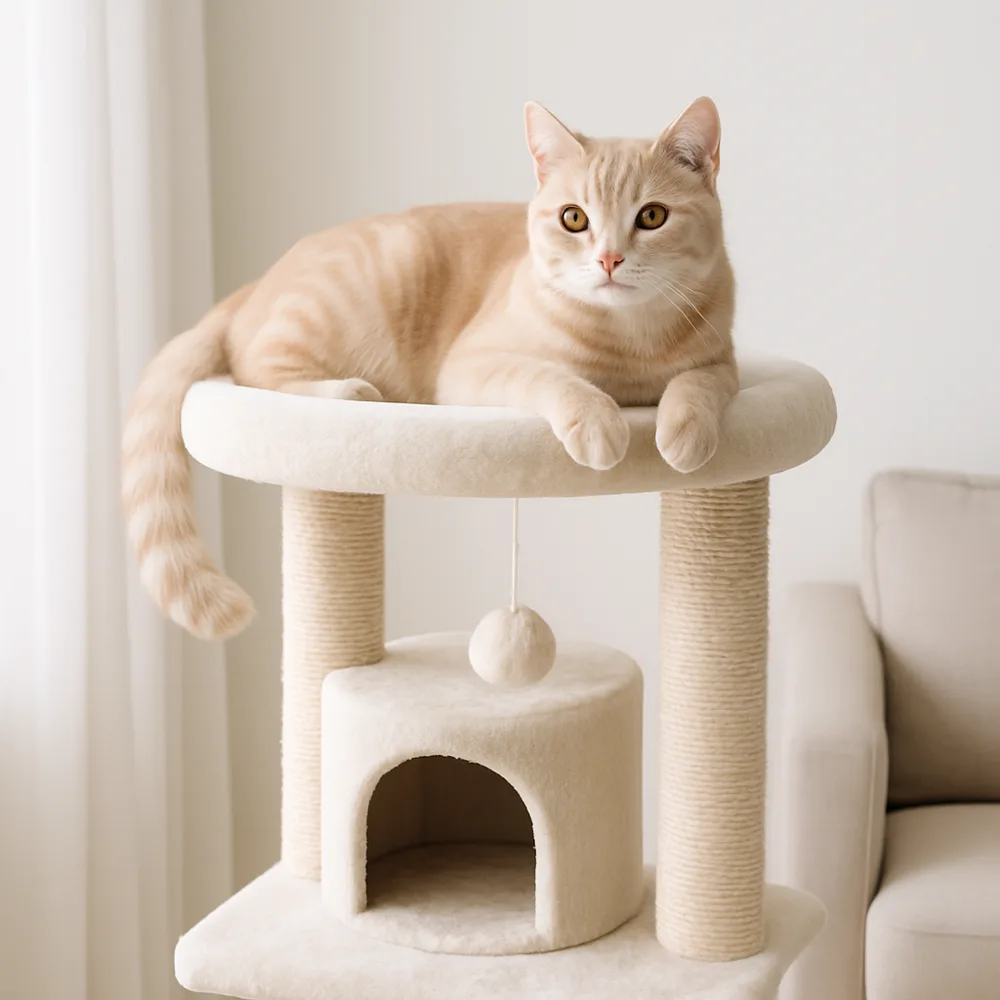
Cat Trees
Guides to choosing, placing, and maintaining climbing furniture for cats of every age and
Path
Scratching
Practical advice on scratchers, scratching habits, and protecting the places your cat love
Path
Cat Care
Everyday guidance for creating a comfortable, enriching home and supporting your cat’s wel
Path
Play & Enrichment
Ideas for movement, exploration, and low-stress play that make indoor life more rewarding.
Matching a Cat Tree to the Cat Who Will Use It
The best cat tree is not the tallest or the most elaborate one in the shop. It is the one that suits how your particular cat likes to move, rest and scratch. Before comparing models, spend a few days watching your cat. Do they leap onto bookshelves and the tops of wardrobes, or do they prefer to curl up on a sofa arm? Do they stretch upwards against door frames when they scratch, or dig their claws into rugs and carpets? These habits tell you more than any product description.
Size and build of your cat
Large or heavy cats need wide platforms, thick posts and a solid base. A narrow perch that wobbles under a big cat will be ignored, and it can make a cat wary of climbing at all. Measure your cat stretched out. A good scratching post should be at least that tall, so they can reach full length without the post tipping. Our guide to checking cat tree stability explains what to test before you trust a tree with a confident jumper.
Age and mobility
Kittens enjoy dangling toys, tunnels and lots of small levels close together. Senior cats or cats with stiff joints do better with low, broad steps, ramps and padded beds that are easy to reach. A tree that suits a young cat today can be adapted later. Removing a top hammock or adding a step stool keeps it useful as your cat ages. See cat tree features for kittens for ideas on early-years designs.
Materials that last
Sisal rope and sisal fabric are popular because they stand up to repeated scratching and give cats a satisfying grip. Carpet-covered posts can feel pleasant but may encourage scratching on household carpets too. Look for replaceable posts and removable, washable cushions. They extend the life of the tree and make cleaning simple.
Personality and the home
Shy cats often value enclosed hideaways where they can watch the room unseen. Bold cats tend to prefer open top perches with a view. In multi-cat homes, several resting spots at different heights help reduce competition. Wherever you place the tree, think about light, traffic and windows. Our notes on where to put a cat tree can help you find a spot your cat will actually choose.